WhatsApp Broadcast vs Bulk Messaging: What’s Allowed, What Works, and How to Do It Safely in WhatsBox
WhatsApp is not email. You can’t treat it like a “blast to everyone” channel and expect it to work. The brands winning on WhatsApp use permission, relevance, and timing—plus smart tooling—to run campaigns that feel like conversations, not spam.
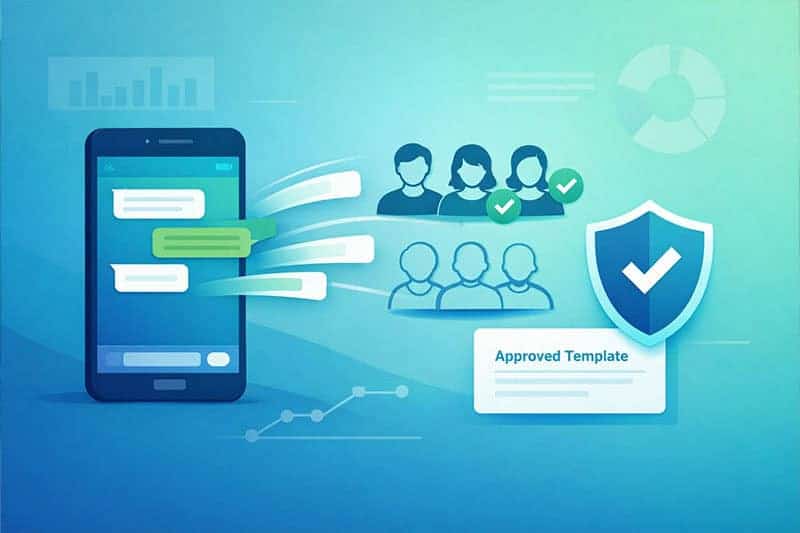
WhatsApp has become a high-performing channel for sales and support, but it’s also one of the easiest channels to abuse. That’s why the difference between a broadcast and bulk messaging matters—and why “doing it safely” is not optional.
If you’re using a platform like WhatsBox—positioned around WhatsApp marketing, personalized broadcasts, automations, bots, and a shared inbox—you can run campaigns at scale without burning your number or harming your brand reputation.
1) Broadcast vs Bulk Messaging: what's the difference?
WhatsApp Broadcast (consumer/app-style concept)
A broadcast typically refers to sending one message to many recipients in a broadcast-like way. In everyday language, businesses call any one-to-many send a “broadcast.”
Bulk messaging (business/API-style concept)
Bulk messaging usually means sending campaigns programmatically at scale—often through a platform that manages lists, segmentation, scheduling, approvals, and performance.
In practice, the real difference isn’t the word—it’s the method and compliance level:
- “Broadcasting” done casually or through unofficial tools often leads to blocks.
- Bulk messaging through approved flows (permission-based, relevant, monitored) is how serious teams scale.
2) What's allowed (in general) vs what gets you blocked
I’ll keep this grounded in safe best practices that align with how WhatsApp ecosystem enforcement typically works:
Generally safe / aligned with best practices
- Messaging people who explicitly opted in to receive messages
- Sending useful, expected updates (order status, appointments, requested promos)
- Using segmentation so messages are relevant
- Keeping frequency reasonable and offering an easy opt-out
- Maintaining high engagement (replies, low blocks)
High-risk behaviors
- Messaging purchased lists or scraped numbers
- Sending the same generic promo to everyone repeatedly
- Hiding your identity or sending misleading offers
- High complaint/block rates (people tapping “block” or “report spam”)
- Using unofficial sending tools that bypass platform safeguards
Even if a tactic “works once,” it often collapses later because WhatsApp is heavily quality- and trust-driven.
3) What actually works on WhatsApp in 2026 (effective campaign patterns)
The highest-performing WhatsApp campaigns usually feel like service, not advertising.
Here are patterns that consistently perform well:
- Triggered messages (best for trust + conversion)
- abandoned cart reminder
- back-in-stock alert
- quote follow-up
- post-purchase check-in
- Segmented promotions (best for revenue without spam)
- “VIP customers only” offer
- category-based promos (only send shoe promos to shoe buyers)
- location-based promos (store-specific)
- Conversational reactivation (best for long-term list health)
- “Still interested in X? Reply 1 for yes, 2 for no.”
This protects your quality by letting uninterested users self-select out.
- “Still interested in X? Reply 1 for yes, 2 for no.”
- Human handoff for high-intent replies
- When someone replies “price?” or “available?” route them to a human fast.
4) The safety checklist: how to do it without losing your number
If you remember one thing: your real limiter is not sending volume—it’s message quality and recipient consent.
Use this checklist:
Consent & list quality
- Use clear opt-in language: what they’ll receive and how often
- Store proof of opt-in (form checkbox, chat keyword opt-in, QR scan with consent language)
- Never mix “support contacts” with “marketing list” unless you’ve got permission
Message quality
- Lead with value in the first line
- Keep it short; one clear action
- Avoid spammy wording (ALL CAPS, excessive punctuation, unrealistic claims)
Frequency & timing
- Don’t blast daily
- Time by timezone and business context
- Use throttling/warm-up for new numbers
Engagement protection
- Always include a natural opt-out: “Reply STOP to opt out.”
- Ask questions that encourage replies (when appropriate)
- Monitor negative signals (blocks, no responses, complaints)
5) How to do it safely in WhatsBox (practical workflow)
Based on WhatsBox positioning (broadcasts, automations, shared inbox, bots), the safest operating model looks like this:
- Build segmented lists
- customers vs leads
- last purchase date
- category interest
- location / language
- Create a campaign message that sounds 1:1
- Use personalization fields where available (name, last product, etc.)
- Keep one goal per message
- Add automation for replies
- If user replies “catalog” send catalog link
- If user replies “agent” route to human
- If user asks “price” send quick product cards + ask preference
- Use shared inbox + labels
- Label: “High intent,” “Refund,” “Shipping delay,” “VIP”
- Assign conversations to team members to prevent duplicate replies
- Measure and iterate
- delivery/read/reply rate
- opt-outs and complaints
- conversions per segment (not just overall)
6) Example messages (safe templates you can adapt)
Segmented promo (VIP)
Hi {Name}, VIP early access is live: 15% off until 9pm today. Want me to send the top picks in your size? Reply 1 = Yes, 2 = Not now.
Reactivation
Hey {Name}—still interested in {Product/Service}? Reply A for details, B to stop messages.
Service-first campaign
Quick update: we extended returns to 30 days this month. Want the return link? Reply RETURN.
Conclusion
WhatsApp is a trust channel. The brands that win don’t “bulk blast”—they run permission-based, segmented, conversational campaigns that feel helpful. With a platform like WhatsBox, the safest path is to combine: segmentation + personalization + automation + fast human handoff.
Related Articles
Customer Support Automation on WhatsApp: Reduce Tickets Without Losing the Human Touch
Most support tickets are repetitive. Customers want fast answers, but they also want to feel heard. WhatsApp lets you do...

Why WhatsApp Marketing Is More Efficient Than Traditional Marketing
Traditional marketing pushes messages out and hopes customers come back later. WhatsApp marketing keeps the customer in...
Beyond the Chat: 5 Strategic Shifts Defining WhatsApp Business in 2026
As we move through 2026, WhatsApp has evolved from a simple messaging app into a comprehensive economic ecosystem. With...