Beyond the Chat: 5 Strategic Shifts Defining WhatsApp Business in 2026
As we move through 2026, WhatsApp has evolved from a simple messaging app into a comprehensive economic ecosystem. With conversion rates hitting 60% and the rise of "intent-based AI," businesses are no longer just chatting—they are closing deals entirely within the thread. This article explores the critical trends reshaping how brands connect, sell, and support on the world's most popular messaging platform.
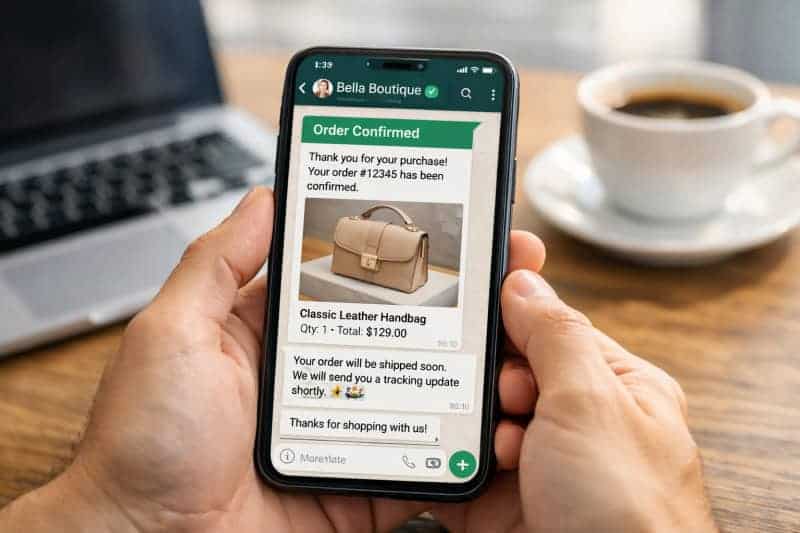
The era of "please visit our website to learn more" is officially ending. In 2026, the customer journey—from discovery to purchase and support—is increasingly happening within a single, continuous thread. WhatsApp has cemented itself not just as a communication tool, but as a primary operating system for modern business.
Recent data paints a startling picture of this shift: WhatsApp conversational commerce campaigns are now achieving conversion rates of 45–60%, a figure up to 12x higher than traditional channels like email or display ads .
If your business is still using WhatsApp merely for "customer support tickets," you are leaving revenue on the table. Here are the five definitive trends shaping the landscape in 2026.
1. The Pivot to "Intent-Based" AI
The chatbot of 2023—rigid, keyword-dependent, and frustrating—is extinct. It has been replaced by Intent-Based AI Agents.
In 2026, businesses are deploying AI models that don't just scan for keywords like "refund" or "hours," but understand the intent and sentiment behind a message. These agents can handle complex, multi-turn negotiations, recommend products based on obscure descriptions, and even process returns without human intervention . The focus has shifted from "automation rate" (how many chats a bot handles) to "resolution quality" (how well the bot actually solved the problem).
2. Conversational Commerce & The Organized Catalog
The friction of leaving an app to make a purchase is the silent killer of conversion rates. In 2026, the winners are those who bring the storefront to the chat.
Customers expect to browse, select, and buy without ever leaving the conversation. This is where specialized tools have become essential. Platforms like WhatsMenu are solving the chaos of unorganized product photos by allowing businesses to create sleek, organized online catalogs. Instead of sending twenty separate image files, a business can simply share a single WhatsMenu link, letting customers browse a professional digital menu or catalog directly.
- Streamlined Browsing: Users prefer typing "I need a blue running shoe" or clicking a structured catalog link over filtering through complex website menus.
- Cart Recovery: Brands utilizing automated WhatsApp nudges for abandoned carts are seeing recovery rates as high as 35%.
3. Hyper-Personalization at Scale
Broadcasting a generic "Summer Sale!" message to your entire contact list is now a fast track to being blocked. The 2026 standard is Personalization at Scale .
Successful brands are leveraging CRM data to send messages that are hyper-relevant. Instead of a generic blast, a customer might receive: "Hi Alex, it's been 3 months since you bought the Facial Cleanser. You're likely running low—would you like to reorder with one tap?" This level of specificity transforms a marketing message into a helpful service, fostering trust rather than annoyance.
4. Trust, Verification, and the "Green Tick" Economy
As AI-generated spam increases, trust has become the ultimate currency. The verified "Green Tick" on WhatsApp is no longer just a vanity metric; it is a vital signal of legitimacy.
Meta has introduced stricter verification protocols and market-based pricing models that reward high-quality, high-reputation senders while penalizing spammers . In 2026, maintaining a high "Quality Rating" is as important as your SEO ranking. A dip in quality score doesn't just mean fewer features—it means your messages might not get delivered at all.
5. The "Coexistence" Strategy
For years, businesses debated "App vs. Website vs. Chat." The verdict in 2026 is Coexistence .
WhatsApp is not replacing your app; it is becoming the lightweight, high-speed entry point to it.
- The Triage Model: Use WhatsApp for quick queries, status updates, and impulse buys.
- The Deep Dive Model: Use your proprietary app for complex account management or heavy data visualization. The winners are integrating these channels seamlessly, ensuring that if a conversation starts on WhatsApp, the context follows the customer if they switch to the mobile app or call center.
Conclusion: Speed is the Strategy
The common thread across all these trends is speed. Speed to answer, speed to checkout, and speed to resolution. With customers demanding instant gratification, WhatsApp has evolved into the only channel capable of keeping up.
To capitalize on this, ensure your infrastructure is ready—from AI agents handling the first line of defense to tools like WhatsMenu ensuring your products are presented beautifully and professionally. The future of business isn't just conversational; it's instant.
Related Articles

WhatsApp Broadcast vs Bulk Messaging: What’s Allowed, What Works, and How to Do It Safely in WhatsBox
WhatsApp is not email. You can’t treat it like a “blast to everyone” channel and expect it to work. The brands winning o...
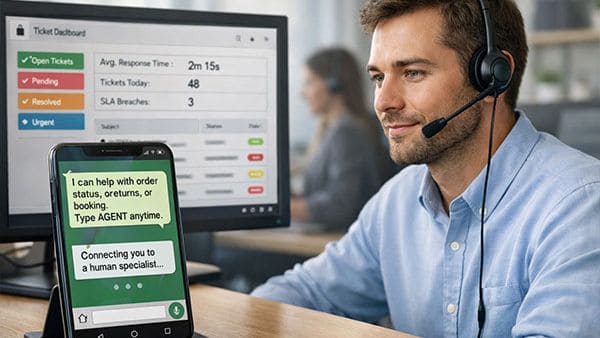
Customer Support Automation on WhatsApp: Reduce Tickets Without Losing the Human Touch
Most support tickets are repetitive. Customers want fast answers, but they also want to feel heard. WhatsApp lets you do...

Why WhatsApp Marketing Is More Efficient Than Traditional Marketing
Traditional marketing pushes messages out and hopes customers come back later. WhatsApp marketing keeps the customer in...